H2O2026
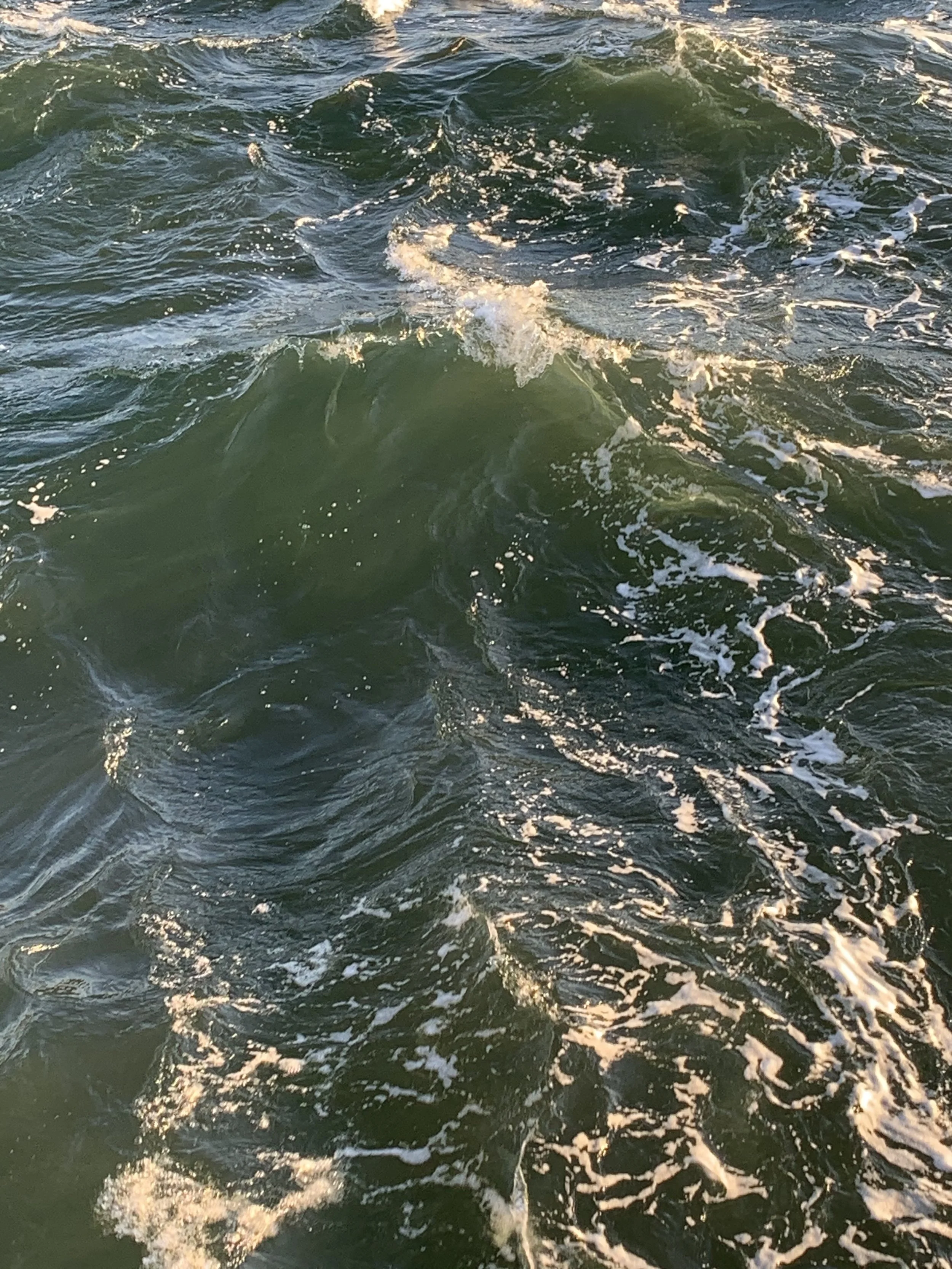
H2O26 is an upcoming exhibition at the Greenville Museum of Art (Greenville, NC) which examines perspectives on our relationship with water.
By Hand & Machine is a fiber exhibition featuring the work of artists Kristy Bishop, Amalia Galdona Broche, Catharine Ellis, Amy Putansu, Jon Eric Riis, and Christine Tedesco. The exhibition focuses on works made by hand and with the help of a machine. This exhibition is a part of Handwork 2026, a nationwide initiative highlighting craft for the 250th anniversary of America.
Seventh annual showcase of student-and-faculty pairs from colleges with strong art/craft programs throughout the Southeastern US, intended to celebrate the role of teaching and mentoring in artist development.
LOWER LEVEL
Opening Reception: Friday, January 9th (5-7pm)
Archiving Place examines the sense of place through the perspective of textile artists from the Southeast region. Whether place is interpreted through physical geography, cultural practices, emotional connections, symbolic significance, and/or virtual space, the artwork is documentation of each artists’ personal experience.
The work in Archiving Place evokes a sense of nostalgia and connection to specific, and not so specific, places. Textile arts capture the essence of place through texture, color, patterns, and material choice. The very nature of textile processes, the building up through stitching, quilting, weaving, printing, beading, etc. act as a vehicle for expressing this connection and make it relatable to a wider audience. The shared human experience reflected in the textiles creates a bridge between the artist’s personal interpretation and the viewer’s broader understanding, fostering a sense of shared memories and significance.
The featured artists are members of the Southeast Fibers Educators Association (SEFEA). SEFEA is a collective of textile artists and educators, both active and emeritus, teaching in higher education in the Southeast Region of the United States. As educators in the textile arts, the members of the SEFEA are dedicated to the continuing interchange of knowledge, the exchange of ideas, and the joy of creating unlimited possibilities in textile media. SEFEA is committed to maintaining textile traditions while opening pathways for crossing new boundaries.
The New Orleans Academy of Fine Arts (NOAFA), in partnership with Asheville-based ArtsvilleUSA, Blue Ridge National Heritage Area (BRNHA), and River Arts District Artists (RADA), announces A Tale of Two Cities (ATOTC), an exhibition featuring arts and crafts from New Orleans and Asheville artists produced in response to the destructive hurricanes that have shaped the two cities’ stories.
Opening on September 13, 2025—a date strategically situated between the 20th anniversary of Hurricane Katrina and the first anniversary of Hurricane Helene—A Tale of Two Cities commemorates the shared experiences and lessons of New Orleans and Asheville as they navigate the aftermath of climate-related disaster. Through this exhibition, artists will create a dialogue between the two cities, exploring themes of rebirth and the power of art to foster hope and recovery.
FMI: noafa.com
This floor loom weaving workshop will be of value to all skill levels. The focus will be creativity within simplicity: Creativity in the form of experimentation and play/Simplicity in the form of the most basic weave structures. Students will work with a broad variety of materials including unusual, alternative yarns. Daily class exercises will aim to generate inspiration and new ideas to enrich our visual and textural language systems. Some of the activities will be off-loom and in the form of writing, list-making, and multi-media projects meant to stretch the mind. The rest of the time will be spent on the loom, weaving a variety of samples and potentially a small project piece. Daily technical demonstrations will include skills and techniques to incorporate into one’s weaving, such as clasped weft, leno, and much more.
Silvermine Arts Center presents an international exhibition that seeks to showcase the best of contemporary fiber art that reflects the breadth of functional or non-functional works that use fiber and/or fiber art techniques in traditional or innovative ways. Artwork in this exhibition may be made from natural or high tech materials that reference fiber and that blur the lines between art, architecture and craft.
Join us for the Opening Reception on Saturday, May 17, 5-7pm
Pictured: “Sacred Erosion” 46” x 46” Handwoven ondulé, dyeing, stitching.
Hour by Hour celebrates the devotion to process inherent in time-based artistic practices, drawing attention to the layered, methodical steps that culminate in each piece. The exhibition showcases a diverse selection of mediums—including woodcut prints, ondulé fiber weavings, soda-fired ceramics, and abstract paintings—each bearing the mark of sustained engagement and the passage of time.
Pictured: “Posidonia” 29” x 28” handwoven ondulé, dyeing, stitching
How does a school help to facilitate the dreams of a student and help them identify and reach their goals? – or even the dreams and goals of an instructor?
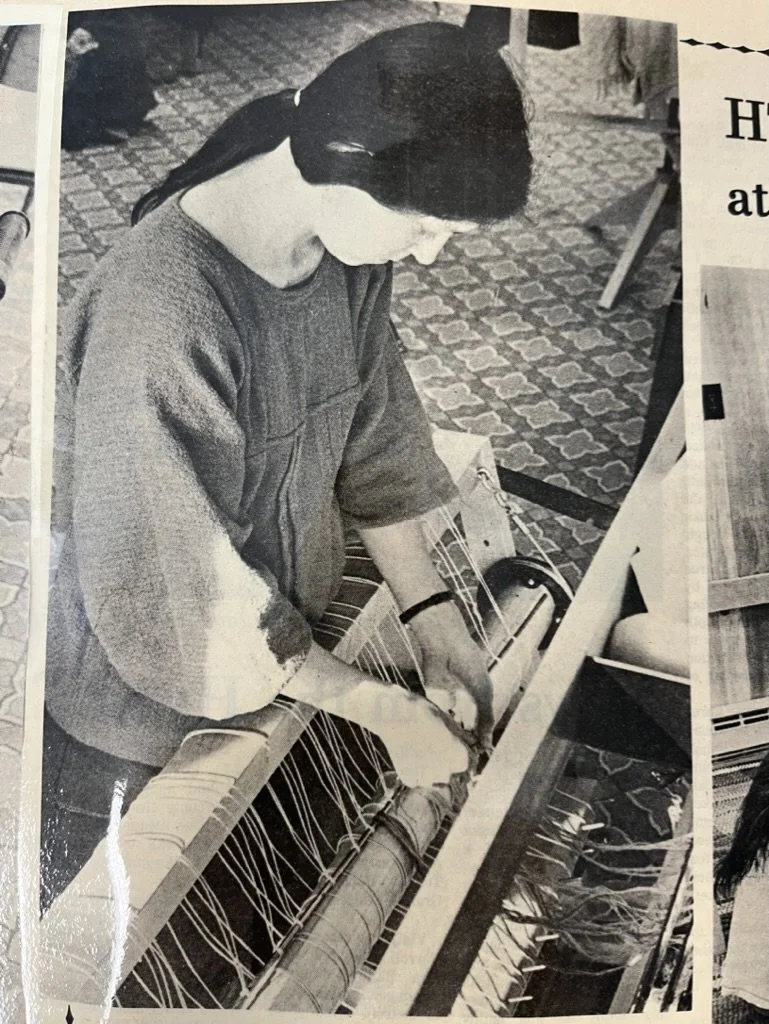
Haywood Community College’s Weaving/Fiber Program, which was started in 1977, has done just that for dozens of weavers over the years. The program began because of a perceived need and the vision of two school administrators who were both natives of Haywood County in the Appalachian region of North Carolina. They knew the local tradition of craft and its history in the region and were perceptive enough to create a brand-new craft program that was designed to help craftspeople learn skills and to continue those traditions in the late 20th century, and now, well into the 21st century.
Join Catharine Ellis, Haywood Community College’s Fiber Arts Instructor from 1977-2008, along with Amy Putansu, who took over the program and is currently teaching, and Olivia Goldstein, a recent graduate, as they talk about what the Professional Crafts Program has meant to them as individuals and to the textile community.
This program is free & open to all.
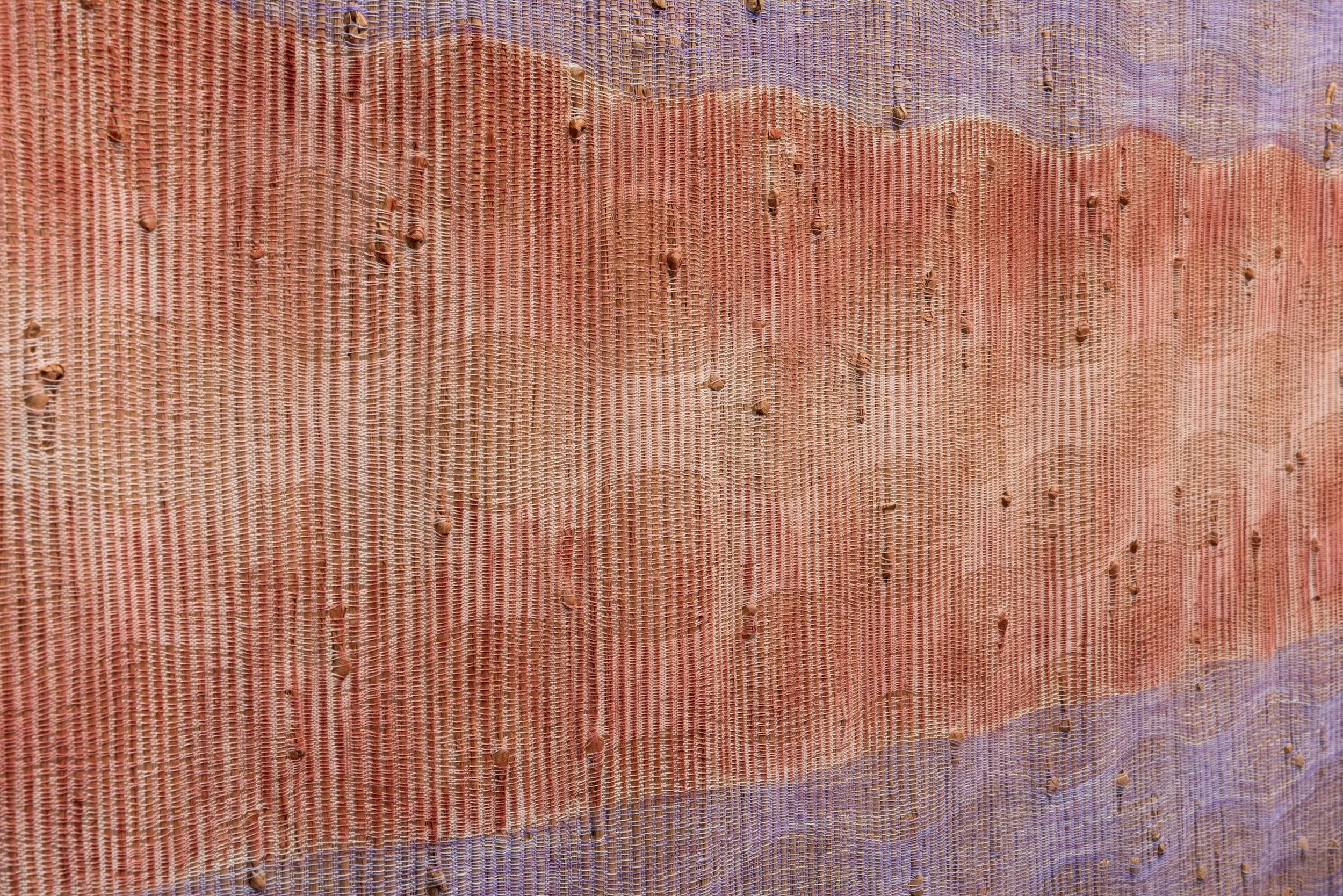
Warp ondulé is a weaving technique that requires special tools and methods for managing the floor loom. This workshop is an introduction to maneuvering woven threads into sinuous, waving pathways throughout the interlacement. Students will work with a variety of fibers while exploring structures and techniques that emphasize the unique qualities of ondulé weaving. We will produce a selection of samples through a round-robin series. Demonstrations will include resist dyeing, warp painting, various weave structures (including twills and overshot), inlay, and the use of supplemental threads. Students will finish by planning and producing a small ondulé piece. Intermediate level: students should be skilled at independently dressing a floor loom. This workshop takes place in a second-floor walk-up studio that has partial access by a stair lift.
Where Water Meets Land | Katie Hudnall, Amy Putansu, and Sarah Vaughn
June 25 – August 3, 2024
Woodworker Katie Hudnall grew up along the Potomac River and spent childhood summers on the South Carolina coast. Her fanciful, sometimes functional, sometimes impractical, painted wooden objects are inspired by furniture, illustration, tools, toys, and all things nautical. Katie prefers using recycled and found wood whenever possible as it sparks new discoveries and encourages an openness to change and adaptation.
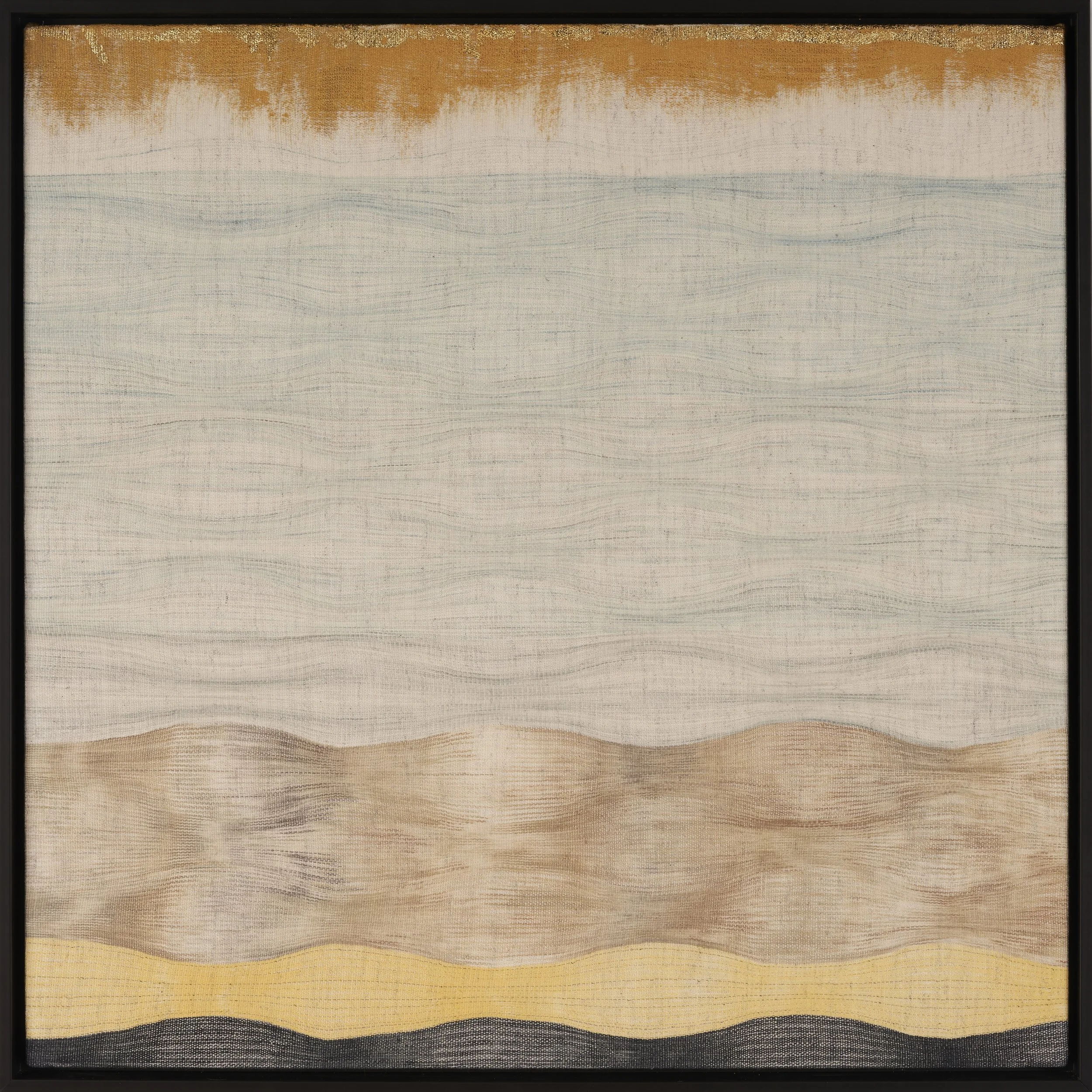
Textile artist Amy Putansu spent her childhood growing up on the Atlantic Ocean along the rugged coast of Maine. Her hand woven “paintings” use a rare weaving technique called ondulé which allows her to manipulate threads into wave-like patterns that suggest the fluidity and movement of water. These contemplative works keep Amy connected to her heritage and homeland while serving as personal meditations on the impermanence of all things.
Glass artist Sarah Vaughn has always been drawn to rivers, lakes, and anywhere she could become lost in a sea of smooth stones. She creates recollections of rocks, small moments that are not meant to last, in materials that are permanent yet fragile. Her perfectly composed and stacked groupings of glass and porcelain rocks serve as a metaphor for personal experiences and the precarious nature of life.
Galleries, Boutiques, and Shops: How to Sell Your Work
This lecture will provide tips and strategies on how to approach retail venues with your artwork/craft/product. The differences between wholesale and consignment, and how that impacts pricing will be discussed, along with some best practices for representing yourself professionally.
This group exhibition features paintings, collages, and sculptures that embody the alluring ambiance between sunrise and sunset. Plein air paintings capture the scattered, sleepy light of Dawn; Collaged drawings depict sidewalks blanketed by moonlight; Mixed-media sculptures portray nocturnal animals. Each artist reminds us of the recurrent and striking period of time when the atmosphere is neither totally dark, nor completely lit.
Artists: Caleb Clark, Bryant Holsenbeck, Bill Killebrew, Inigo Navarro, Isaac Payne, Amy Putansu, Daniel Robbins, Peggy Root, and Deborah Squier.
MAIN LEVEL GALLERY Opening Reception: Friday, May 3rd (5-7pm)
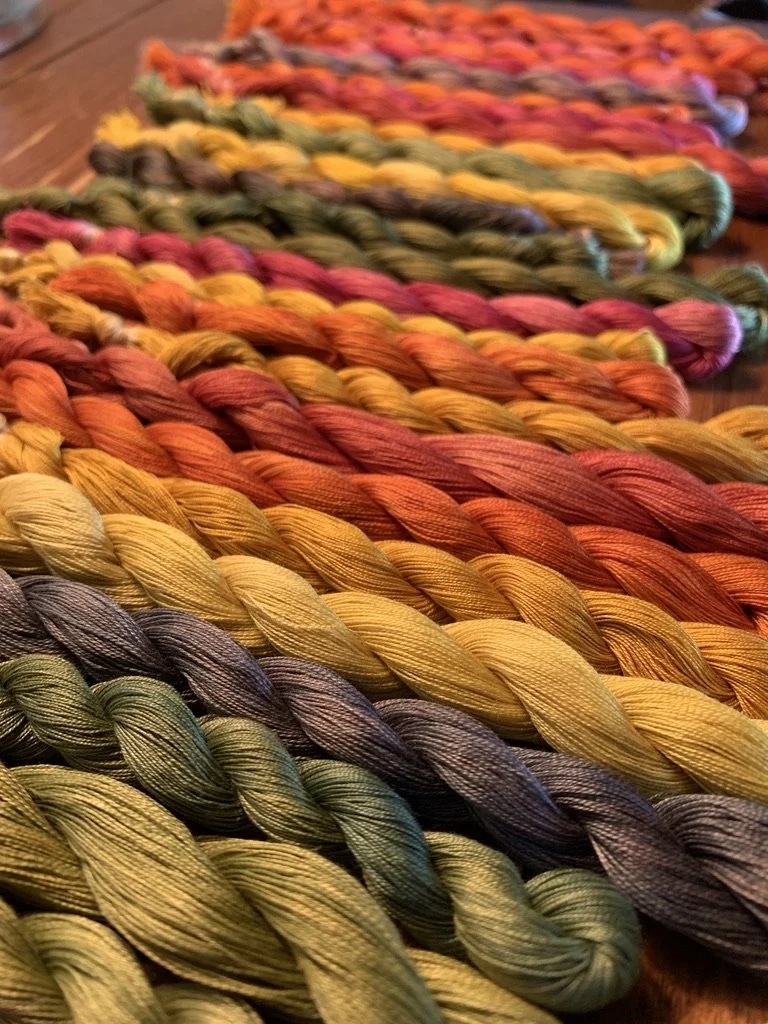
Hand-dyed threads are more complex and beautiful, especially when using natural dyes. In this workshop, students work with sustainably sourced, high-quality mercerized cotton thread and a range of natural dyes such as indigo, cochineal, madder, and weld to produce a full palette of hues. Over-dyeing and color mixing will be explored. Students will take away a collection of hand-dyed cotton skeins for embroidery or other types of hand stitching. Find info here.
As part of Mid-Atlantic Fiber Association’s virtual Mini Conference, I will present a three-hour seminar with lecture, demonstration, and Q&A. Register with MAFA here. Only $55! Space is limited to 50 participants.
In this group show I share six small wall pieces of handwoven cloth, wood and nails. Visit Sager Reeves Gallery here.
Solo exhibition of new work at Blue Spiral 1 Gallery in Asheville NC.
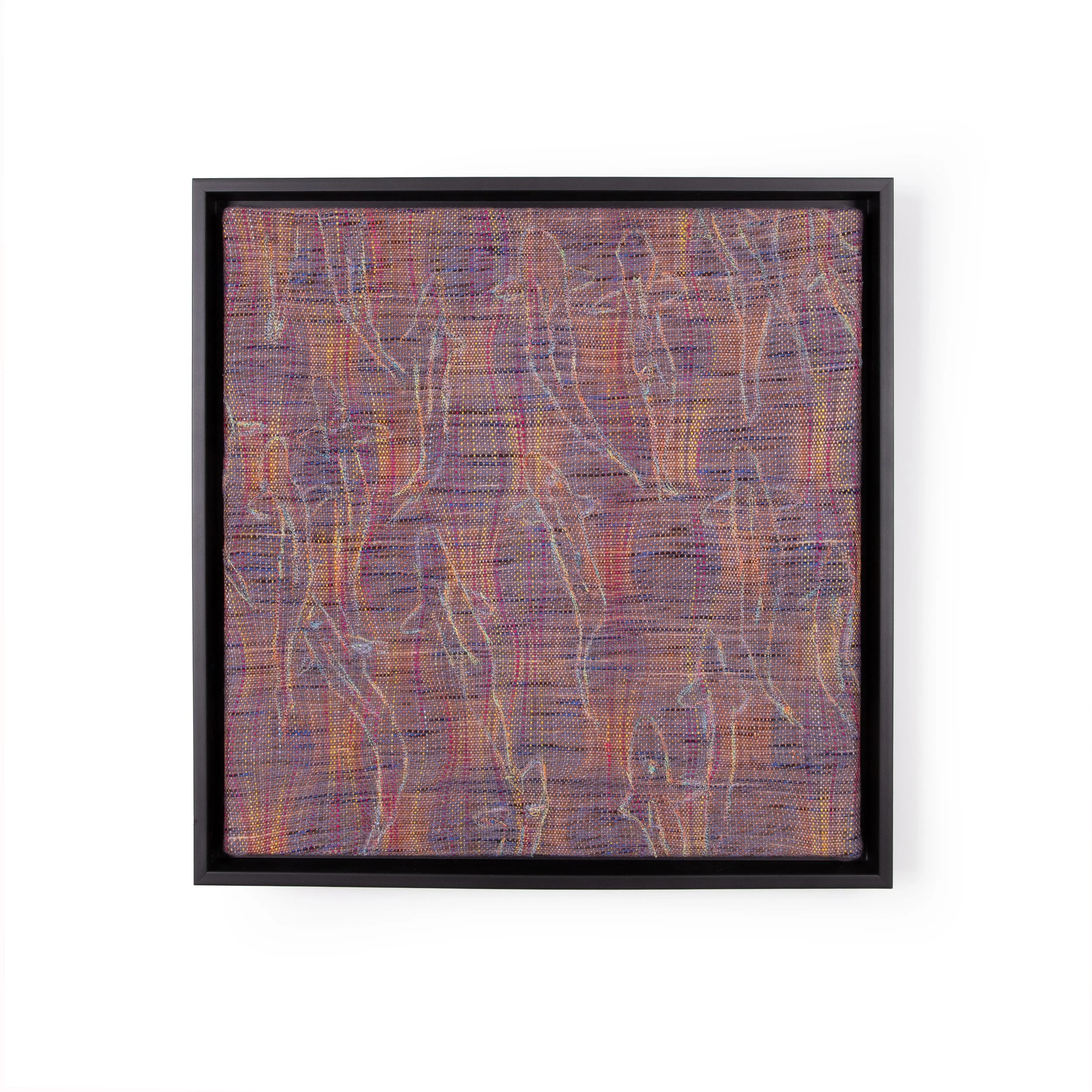
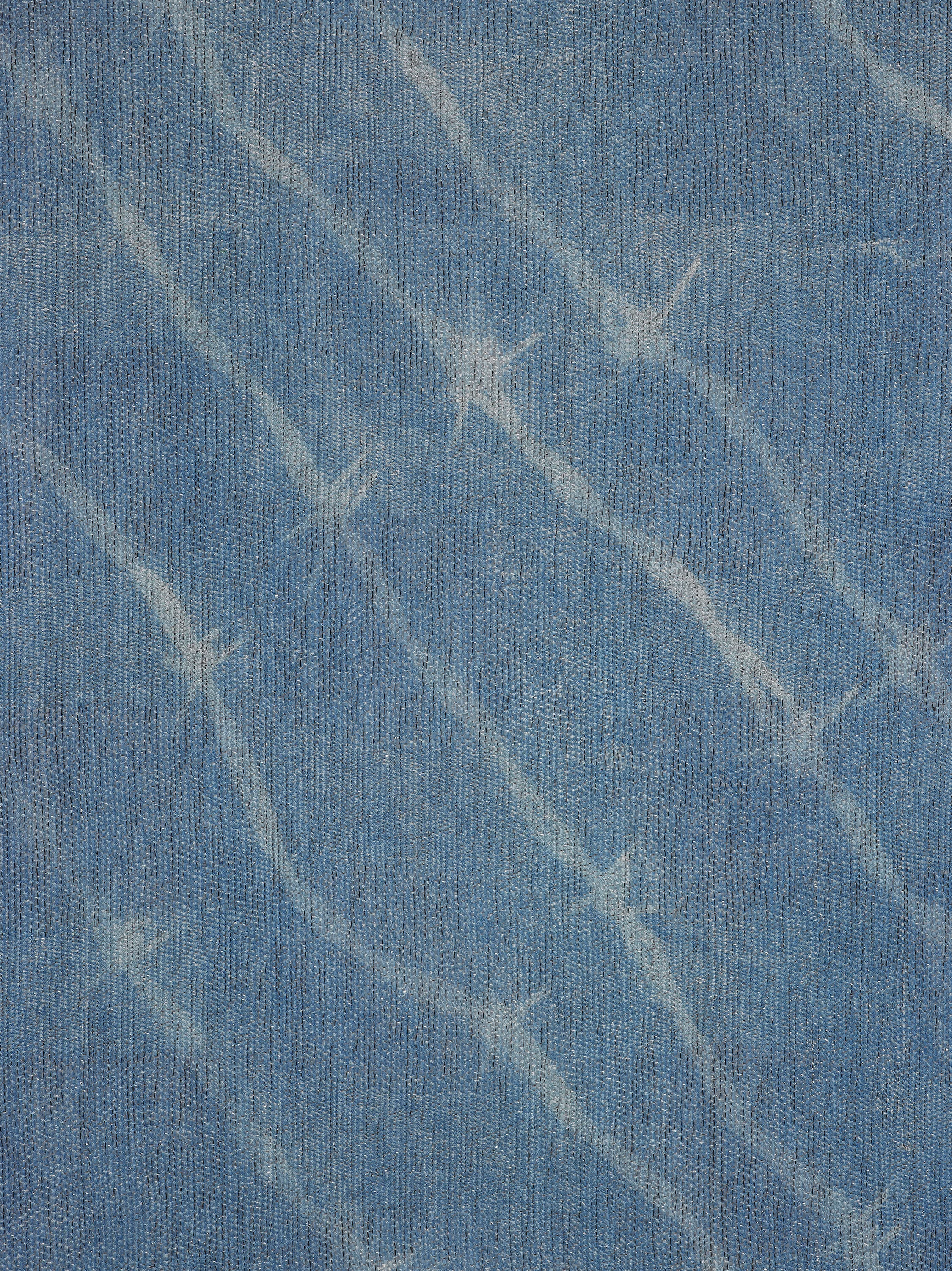
In her most recent body of work, Amy Putansu’s ondulé weavings, with their wave-like patterns and textures, emulate the geographic shifts we encounter as we observe the world around us. She assimilates reflective color and sinuous line, giving the impression of land meeting sea meeting sky and everything in between.
For those who have ever been interested in, or wanted to try weaving on a floor loom, this workshop is for you. It is absolute beginner-level, no previous experience necessary. Students will begin by learning the lingo and taking a tour of the tools and equipment involved in weaving. Emphasis will be placed on preparing materials and setting up the loom: the most labor-intensive part of the process. And then the fun begins- students will weave a set of sample fabrics to wet-finish and compile into a swatch book. This class is also perfect for those who want to graduate from rigid heddle weaving to the four-shaft floor loom. Students will learn the back-to-front warping method, and weave a variety of basic structures such as plain weave, twills, and basket weave in colors of their choice. This workshop will prepare students to plan a woven project, dress a loom, and weave a simple fabric of their own design.
FMI here
Three Arrowmont instructors teaching introductory courses in 2021 will gather via ZOOM for a creative conversation: “New Year, New Craft”, disussing how novelty impacts their work, and how they approach new concepts and techniques as artists and instructors. Register for the talk now IG @arrowmont_school.
Andy Fletcher | Lita Kenyon | Katie Musolff | Amy Putansu
https://sagerbraudisgallery.com/
A series of three workshops that build from a one-day beginner to a three-day advanced. Workshops can be purchased as a package (10% discount!), or available à la carte. For pricing and to register go to Cloth Fiber Workshop. Any skill level is welcome at any of the workshops
August 29 One-day Workshop for beginners +
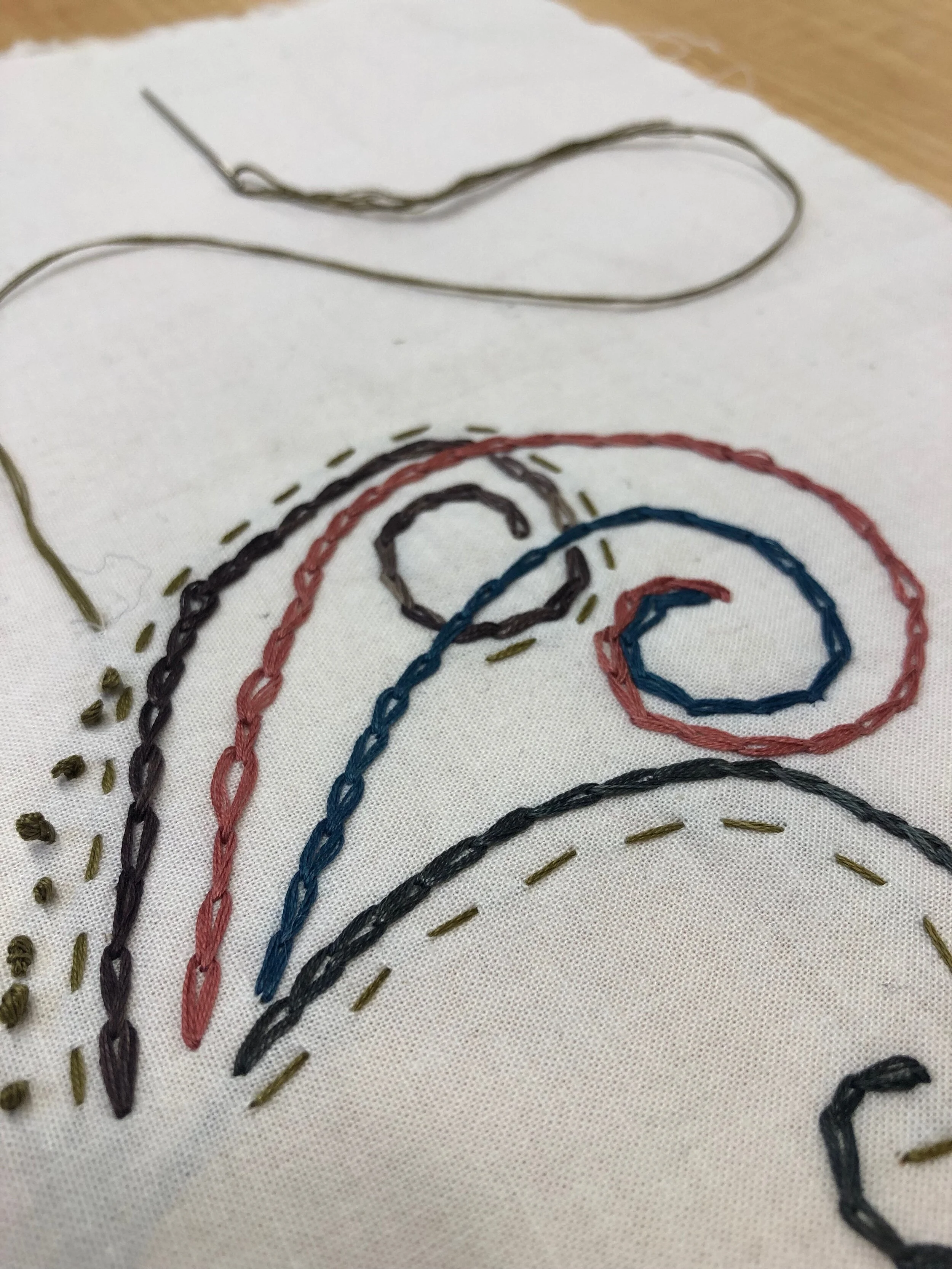
Decorative hand stitching can enliven any textile or garment with color and texture, and even mask stains or act as mending on our well-loved fabrics. This six-hour workshop will introduce students to the basic tools and materials for hand embroidery. Students will explore and practice the four major categories of hand stitches: outline, border, fill and decorative details, and make a small sampler in class.
October 24-25 Two-Day Workshop, beginner - intermediate +
The two-day workshop will allow us to study a number of stitch-types on cotton or linen fabrics that can stand alone as samplers or serve as the beginning of a sampler booklet (see the Intensive embroidery workshop). Demonstrations, instructional booklets and plenty of practice-time will introduce students to a wider range of decorative stitches with some exploration into combining stitches for design effects.
November 27-29 Three-Day Workshop, beginner - advanced
In this workshop students will prepare, create and finish a small cloth stitch-sampler book. Fabric sampler books are not only beautiful objects, but also serve as documentation for your craft, and heirloom teaching tools. We will begin by preparing the “pages” of linen or cotton for your booklet, then design and stitch each page to one’s personal preference. Finally we will finish and bind the booklet, and students will leave with an original, completed treasure.
A series of three workshops that build from a one-day beginner to a three-day advanced. Workshops can be purchased as a package (10% discount!), or available à la carte. For pricing and to register go to Cloth Fiber Workshop. Any skill level is welcome at any of the workshops.
August 22 One-day Workshop for beginners +
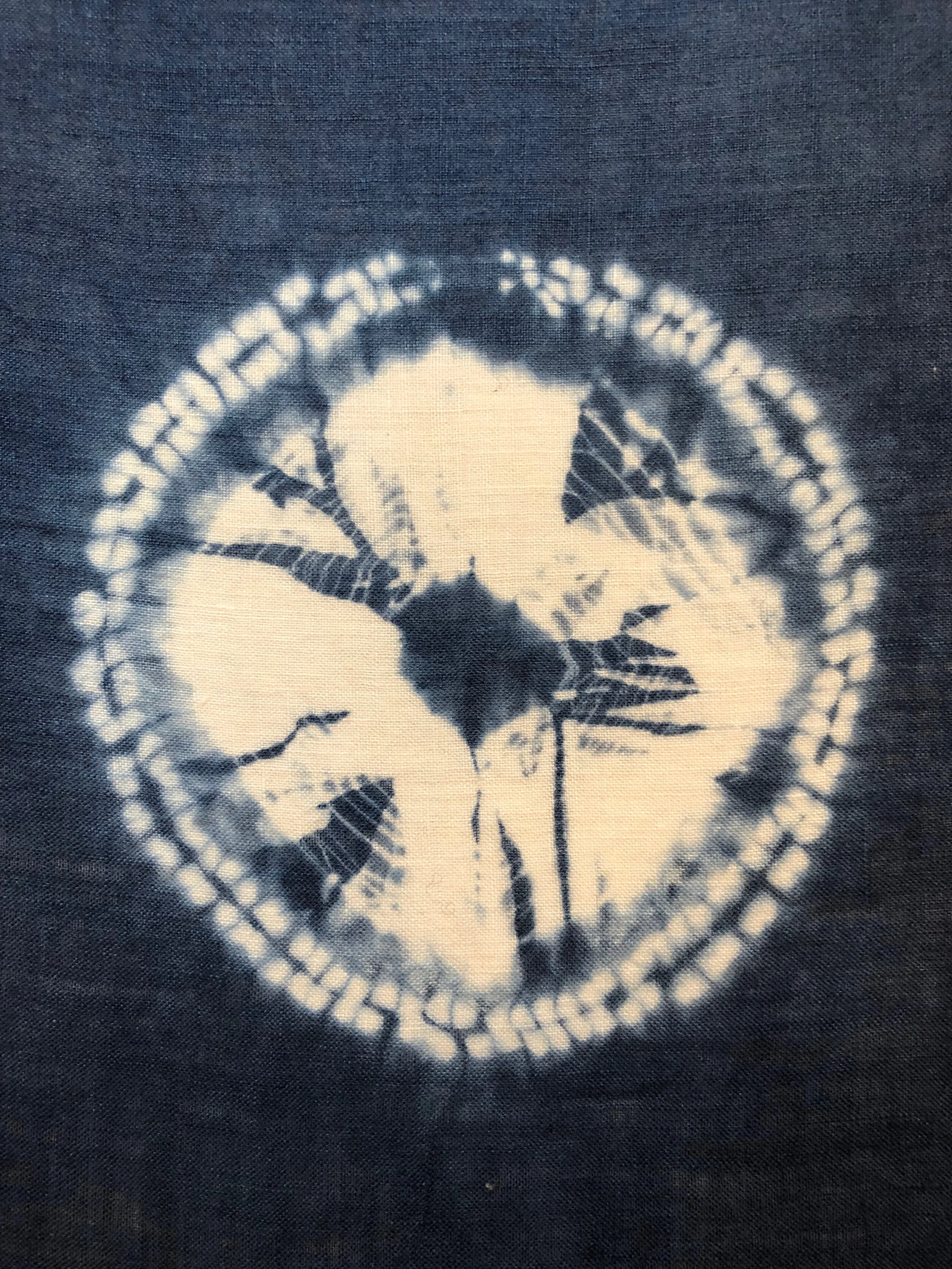
In this brief six-hour introduction to resist dyeing students will prepare fabric samples for a pre-made organic indigo vat using the most basic shibori resist methods of stitching, binding, and fold & clamp. Tools and techniques will be introduced and students will dye their own fabrics in organic indigo, leaving with at least three cotton handkerchiefs.
October 3-4 Two-day workshop, beginners - intermediate +
This class offers hands-on experience in making indigo vats “from scratch”. Students will work together to make organic indigo vats, and dye in them on the second day. Recipes and procedures will be shared. This workshop will provide an opportunity to prepare more elaborate patterned resists based on traditional Japanese methods. Students will leave with one or two dyed shibori fabric pieces. (bandanas)
November 20-22 Three-day Workshop, beginners - advanced
The focus of this workshop will be making and maintaining an organic indigo vat, with tips on how to achieve a healthy vat in the home studio. At least two indigo recipes will be explored, with opportunities to create and dye in each. The resist-patterning aspect of the class will touch upon the more complex and time-intensive techniques on larger pieces of cloth such as bandanas or scarves, and combine the basics of stitching, binding, and folding methods.
Discover how beautiful embroidery thread can be, when colored with natural dyes. Working with sustainably sourced, high-quality cotton threads, learn to properly clean and prepare small skeins for dyeing in indigo, plus many more colors. Create your own selection of threads for use in simple embroidery samplers, which will be stitched the second half of the week using introductory embroidery stitches. All levels welcome; good eyesight or magnification is helpful. FMI visit here
Working with basic geometric shapes, we will playfully generate an assortment of original repeating patterns to be translated in stitched resist techniques on fabric. The textiles will be dyed in organic indigo vat, which students will assist in making from “scratch”.
Traditional Japanese shibori textiles include continuous surface designs that are carried out with the beauty of hand-stitched resist, offering an organic line quality to a precise arrangement of shapes. This contrast will be our inspiration as each student designs a handful of patterns. Each student will select one or more patterns to carry out on cloth and dye in indigo during class.
FMI here
The show will be held in the Lower Level Gallery at Blue Spiral 1 and will include ceramics, weavings, basketry, embroidery and more.
Ongoing Conversation: Recall, Recollect, and Reconstruct 2019-2020 Invitational
Ongoing Conversation is a curatorial project by Soude Dadras. Over the past five years, Dadras has curated several international exhibitions in Istanbul, and Kyoto respectively. Dadras’ is well versed in the study and history of Persian Rugs and Textile Art History. The Iranian native holds a degree from Islamic Azad University. In addition to her curatorial practice, Dadras remains active in the field as a visiting scholar at the University Of Pittsburgh and guest lecturer at the Carnegie Museum of Art, a Persian Carpet & Kilim Appraiser, and an Antique Carpet Restoration Specialist. The mission of Dadras’ Ongoing Conversation is “to bring together disparate voices in the visual arts through an international purview in order to examine cross cultural similarities of the human condition.”
A lecture series at CLOTH Fiber Workshop focusing on a selection of remarkable designers, makers and ultimately influencers in the world of textiles since the turn of the 20th century through current day. The stories of these designers and their work illustrate the impact of the political and global atmospheres on the textile and fashion industries through the decades. We become aware of a continuum of inter-related developments and innovations playing out over time, while celebrating the critical role of textiles in countless facets of life. The final lecture of the series takes a look at how fashion has embraced new technologies through the wearable art of Japanese designer Issey Miyake and Dutch designer Iris van Herpen.
A lecture series at CLOTH Fiber Workshop focusing on a selection of remarkable designers, makers and ultimately influencers in the world of textiles since the turn of the 20th century through current day. The stories of these designers and their work illustrate the impact of the political and global atmospheres on the textile and fashion industries through the decades. We become aware of a continuum of inter-related developments and innovations playing out over time while celebrating the critical role of textiles in countless facets of life. Week V focuses on the remarkable fiber art and careers of two widely collected contemporary weavers in the US.
A lecture series at CLOTH Fiber Workshop focusing on a selection of remarkable designers, makers and ultimately influencers in the world of textiles since the turn of the 20th century through current day. The stories of these designers and their work illustrate the impact of the political and global atmospheres on the textile and fashion industries through the decades. We become aware of a continuum of inter-related developments and innovations playing out over time while celebrating the critical role of textiles in countless facets of life. Week IV focuses on two important weavers of mid-century America and the innovations they brought to hand- and industrially-woven textiles.
A lecture series at CLOTH Fiber Workshop focusing on a selection of remarkable designers, makers and ultimately influencers in the world of textiles since the turn of the 20th century through current day. The stories of these designers and their work illustrate the impact of the political and global atmospheres on the textile and fashion industries through the decades. We become aware of a continuum of inter-related developments and innovations playing out over time while celebrating the critical role of textiles in countless facets of life. Week 3 focuses on the post-WWII atmosphere of Europe and Britain and the role that textile design played in creating a sense of optimism.